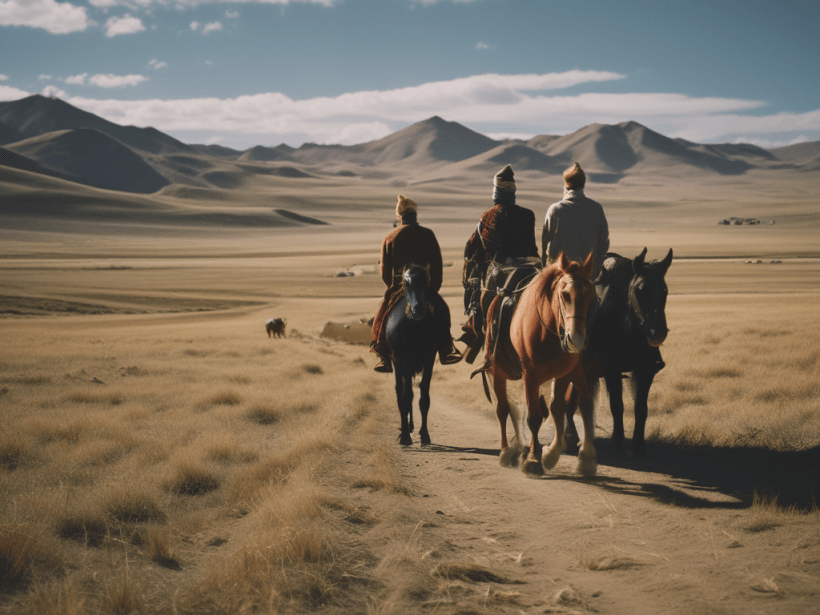
July 1st this year fieldwork was officially launched for COMPLEXITY.
Guro, a PhD-student on the project, and Wurihan, a postdoc on the project started their journey towards Mongolia and their research among herders.
Thy started their journey from the capital Ulaanbaatar where they met up with local connections and networks.
The focus of their projects are somewhat different, yet interlinked through the lens of cooperation.
Guro’s research will include mapping social networks and experimental games. Experimental games are a widespread research method to investigate human behavior, such as cooperation.
By combining these approaches, Guro will be able to examine the importance of kinship, reciprocity, network position and social environment for those the herders choose to cooperate with.
Wurihan, is more focused on using participant observation to explore the role of animal health and how cooperation affects handling of the outbreak of animal diseases.
After a couple of days in Ulaanbaatar, they set their course towards herding communities.

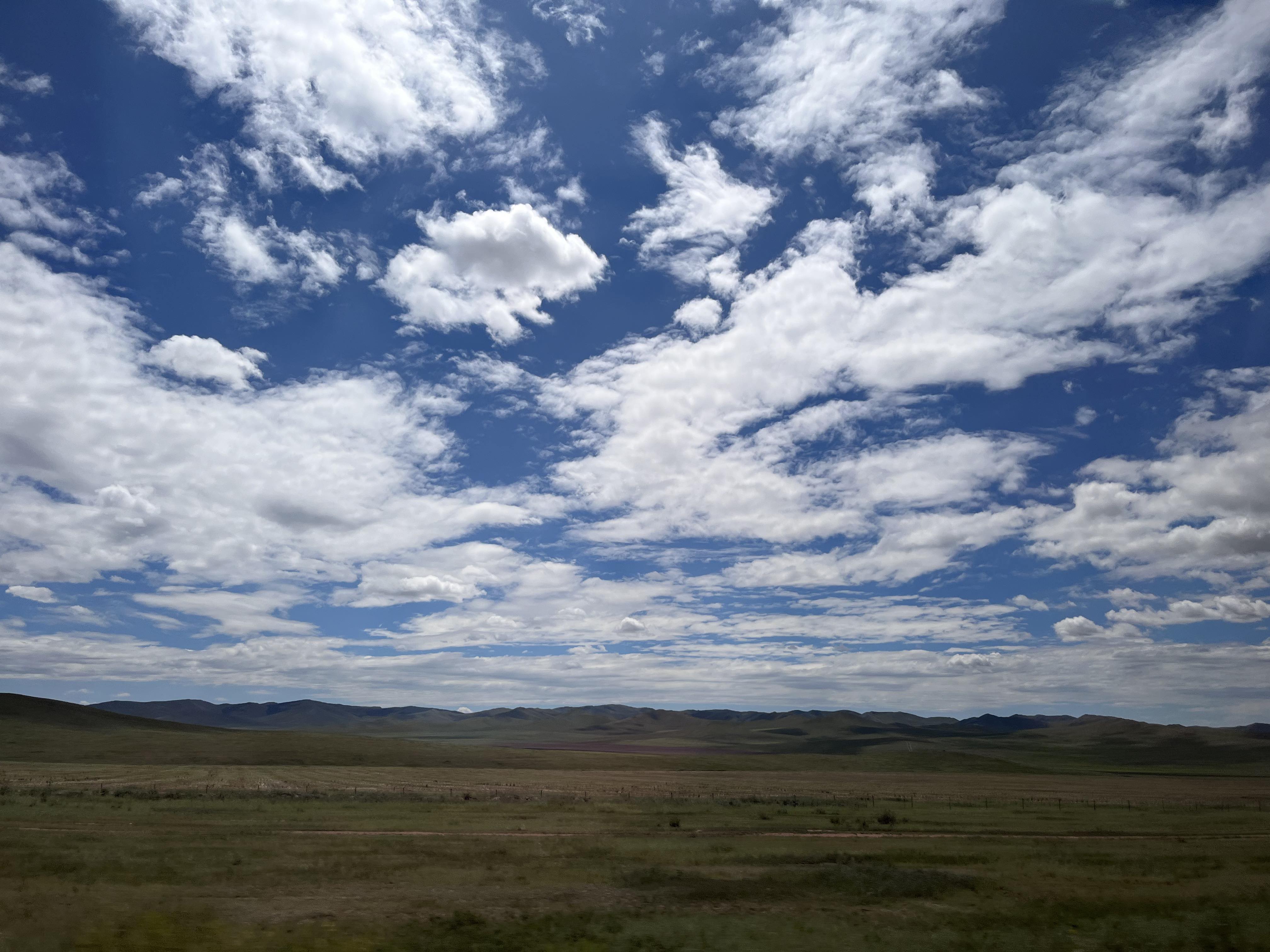
They are travelling to Övörkhangai Province, which among other things have the location of the ancient city of Karakorum.
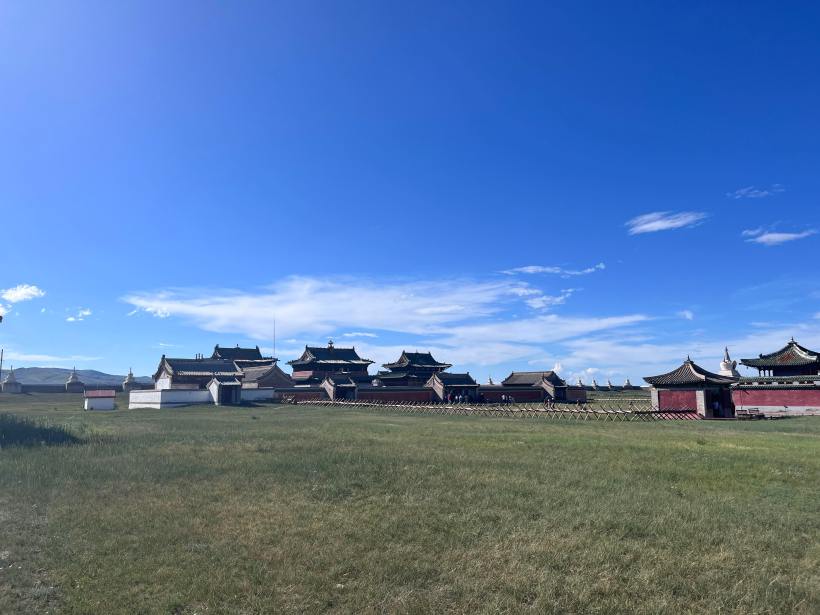
On their way, they also stopped by the Erdene Zuu Monastery, which is the oldest surviving Buddhist monastery in Mongolia.
Construction of this monastery started in 1585 after a meeting with the 3rd Dalai Lama and the declaration of Tibetan Buddhism as the state religion of Mongolia.
Some pictures below, all taken by Guro and Wurihan (C).


Stay tuned for more updates!
 Pastoralism, Climate Change and Policy